Hazardous Material Escort Robot











Client Background
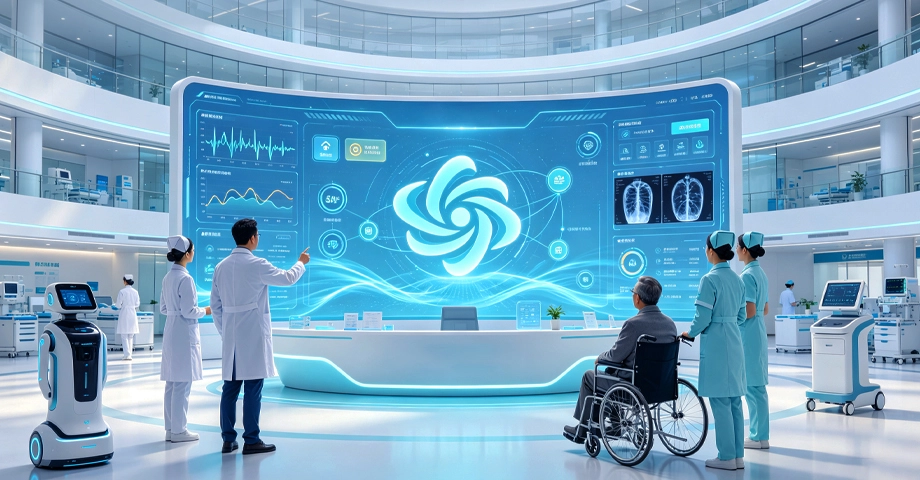
A tertiary general hospital with over 1,500 open beds and more than 2 million annual outpatient visits. Driven by the National Health Commission's promotion of "smart hospital" grading evaluation and medical equipment domestic substitution policies, the hospital urgently needs to upgrade its ward IoT system to solve problems such as difficult device interconnection, low nursing efficiency, and delayed patient safety monitoring.
Core Challenges
Delayed Patient Safety Monitoring
Inefficient Nursing Workflow
Device Silos and Data Fragmentation
Patient Experience and Privacy Issues
Delayed Patient Safety Monitoring
Specific Pain Points

Relies on patient call bells or manual scheduled rounds, with late detection of falls, bed exit, and other accidents; traditional wearables require frequent charging, are uncomfortable to wear, have poor compliance, and produce intermittent data.
RACETEC Solution

Frictionless Monitoring · AI Dual-Agent Prediction
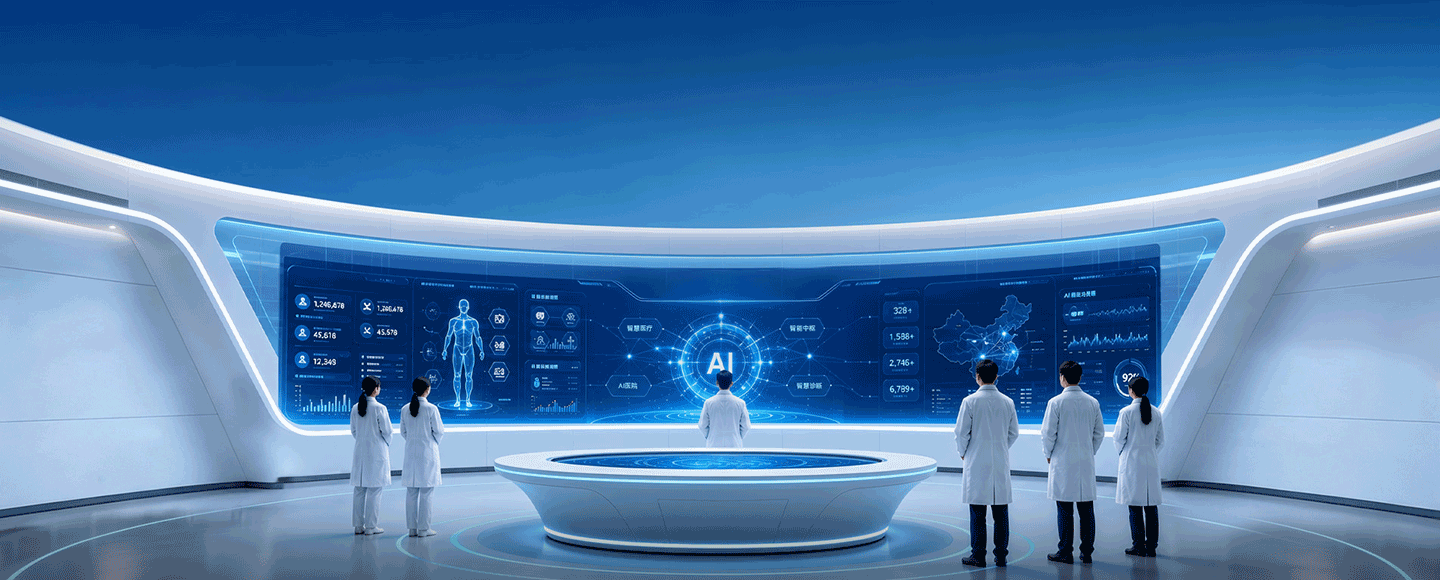
The HarmonyOS Distributed Soft Bus connects smart mattresses and wristbands to frictionlessly collect vital signs and behavior data. Through the "Risk Warning Agent," real-time analysis achieves second-level automatic alerts for falls, bed exit, and vital sign anomalies — transforming from "post-incident remediation" to "pre-incident interception."
Inefficient Nursing Workflow
Specific Pain Points
Nurses spend a large amount of time on low-value work such as walking back and forth to the nurse station to check infusions and copy data; task allocation relies on experience, with uneven workload and slow emergency task response.
RACETEC Solution
Task Dispatch Agent · Intelligent Dispatching
Through the "Task Dispatch Agent," tasks such as infusion reminders and dressing changes are automatically pushed to the nearest nurse's handheld terminal based on nurse location, busy status, and task priority. Device data is automatically archived on-chain, reducing manual entry.
Device Silos and Data Fragmentation
Specific Pain Points
Infusion pumps, monitors, and other devices have mixed brands and incompatible protocols, with data unable to be unifiedly aggregated; bedside screens, nurse station large screens, and handheld PDAs are not synchronized, requiring multiple confirmations.
ACETEC Solution
HarmonyOS Native Intelligence · Internet of Everything
Based on HarmonyOS Native Intelligence to break brand barriers, achieving plug-and-play and unified management of heterogeneous devices such as infusion pumps and monitors. Patient data is real-time synchronized and tap-to-flow between bedside screens, nurse stations, and mobile PDAs — ensuring zero delay in nursing information.
Patient Experience and Privacy Issues
Specific Pain Points
Frequent call bells and nurses' loud inquiries disturb patient rest; paper records or public screen displays easily leak patient privacy.
RACETEC Solution
Silent Service · Microkernel Privacy Security
Replaces traditional audible-visual alarms with smart lighting and vibration reminders, building a "zero-disturbance" ward environment. Leverages HarmonyOS microkernel security mechanisms to ensure patient sensitive data is encrypted and tamper-proof throughout transmission and storage, with strict access control.

Value Delivered
Patient Safety, from Passive Response to Proactive Protection
Anomalous events such as falls, bed exit, and vital sign fluctuations are automatically recognized by the system with immediate alerts — no longer relying on patient call bells or nurses' scheduled rounds. Every inpatient's vital sign data and behavior status remains continuously online, with risks captured and warned before they occur.
Nursing Tasks, from Manual Rounds to Intelligent Dispatching
Nursing tasks such as infusion reminders and dressing changes are automatically assigned by the system based on nurses' real-time location and busyness level, pushed to the nearest nurse's handheld terminal. Nursing documentation data is automatically archived, reducing manual transcription and verification steps — nurses can spend more time on clinical care.
Ward Devices, from Brand Barriers to Unified Interoperability
Heterogeneous devices of different brands such as infusion pumps and monitors are unifiedly connected to the HarmonyOS IoT platform — plug-and-play, unified management. Patient vital signs and clinical data are real-time synchronized between bedside screens, nurse station large screens, and mobile terminals — nursing collaboration no longer has information delays.
Hospital Environment, from Noisy and Public to Quiet and Private
Ward calls replace traditional bell broadcasts with smart lighting and vibration reminders — patients' nighttime rest is no longer interrupted by unnecessary noise. Patient privacy data is encrypted and transmitted and stored across the entire chain, with strict access control — eliminating the risk of information leakage.