Hazardous Material Escort Robot









Smart Transportation Solutions
From "Passive Post-Incident Accountability" to "Proactive Full-Process Intelligent Control"
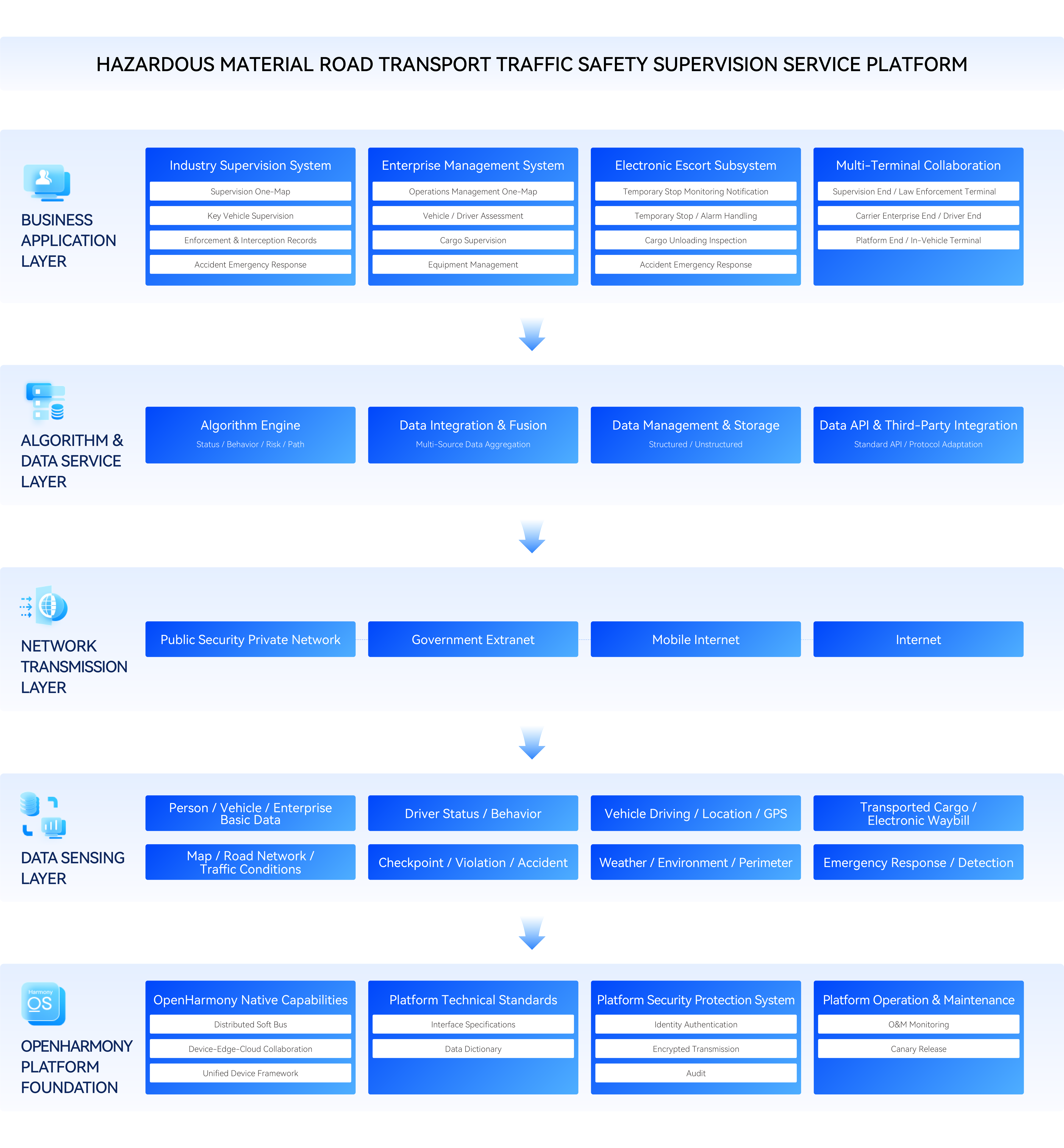
Built on OpenHarmony and AI Agents, leveraging intrinsic security architecture, dual device-cloud collaboration engines, and multi-source sensing fusion technologies, we provide the industry with full-element real-time monitoring, precise risk prediction, and closed-loop business handling capabilities for "person-vehicle-cargo-environment" — ultimately achieving intrinsic safety, compliant and efficient operations, and digital transformation in hazardous material transportation.

Industry Pain Points vs RACETEC Solutions
Real-Time Driver Status Monitoring
Full-Chain Hazardous Material Control
Vehicle Equipment & Network Security
Emergency Command & Collaborative Response
Real-Time Driver Status Monitoring
Traditional Industry Pain Points

Drowsy driving hard to detect, delayed monitoring: Traditional monitoring relies on manual patrols or single cameras, struggling to accurately identify hidden behaviors like fatigue, distraction, and smoking; incidents are often discovered only after they occur, lacking pre-incident warning.
RACETEC Innovative Solution

OpenHarmony AI Edge Computing + Multi-Modal Fusion Sensing: Leverages built-in AI computing power on in-vehicle terminals to analyze facial features, body movements, and vehicle trajectories in real time. Detects violations like fatigue and phone use with local audible-visual alarms, while syncing records to the cloud — transitioning from "post-incident accountability" to "in-process intervention and pre-incident prevention."
Full-Chain Hazardous Material Control
Traditional Industry Pain Points
Cargo status black box, high tampering risk: Temperature, pressure, and leak conditions of goods in transit cannot be monitored in real time; paper or standard electronic waybills are easily tampered with, creating blind spots for "switching cargo" or irregular operations during loading and unloading.
RACETEC Innovative Solution
OpenHarmony Distributed Sensing + Blockchain Evidence Storage: Connects various smart sensors (temperature/pressure, leak detection, etc.) via OpenHarmony Soft Bus, uploading cargo status data to the blockchain in real time. Combined with fully digitalized electronic waybills, ensures consistent matching of "person, vehicle, cargo, and documents."
Vehicle Equipment & Network Security
Traditional Industry Pain Points
Isolated devices vulnerable to attacks, fragile systems: Fragmented in-vehicle device brands and closed systems impede data interoperability and are prone to hacking; traditional systems receive slow patch updates, facing severe cybersecurity risks and data leakage threats.
RACETEC Innovative Solution
OpenHarmony Native Intrinsic Security + Unified Device Management: Provides system-level security defense based on microkernel architecture, eliminating virus implantation. Leverages unified device management to enable remote secure OTA updates and policy delivery for massive in-vehicle terminals, building an integrated "device-edge-cloud" trusted security protection network.
Emergency Command & Collaborative Response
Traditional Industry Pain Points
Slow information flow, delayed coordinated response: During emergencies, on-site video transmission lags, information is siloed between the command center, vehicles, and rescue teams, and dispatch orders are delayed — missing the optimal rescue window.
RACETEC Innovative Solution
Dual Device-Cloud Collaboration Engines + Low-Latency Communication: Relies on NearLink/5G technology and OpenHarmony distributed capabilities to enable real-time HD video transmission and multi-party audio-video conferencing. Upon alarm trigger, automatically links to emergency response plans and dispatches the nearest rescue resources with one click — achieving "immediate response and precise rescue."

Core Value
Smart Transportation Overall Business Architecture
Deployment Scenarios

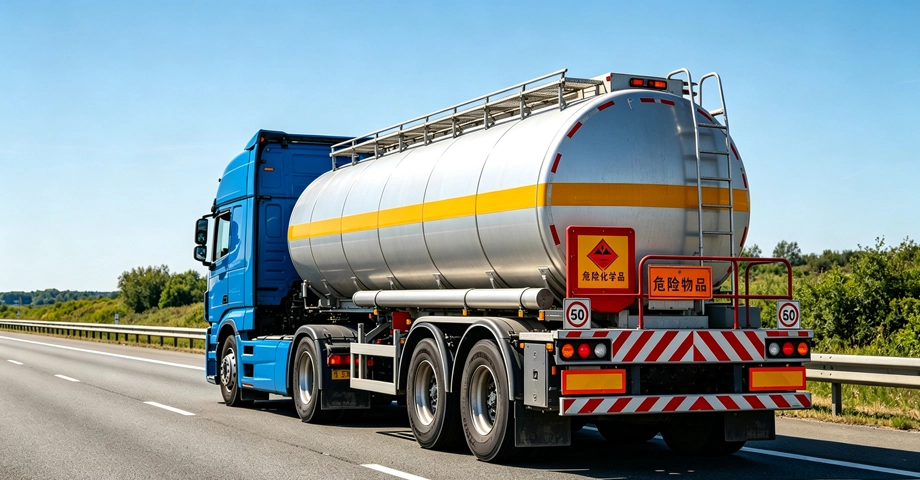
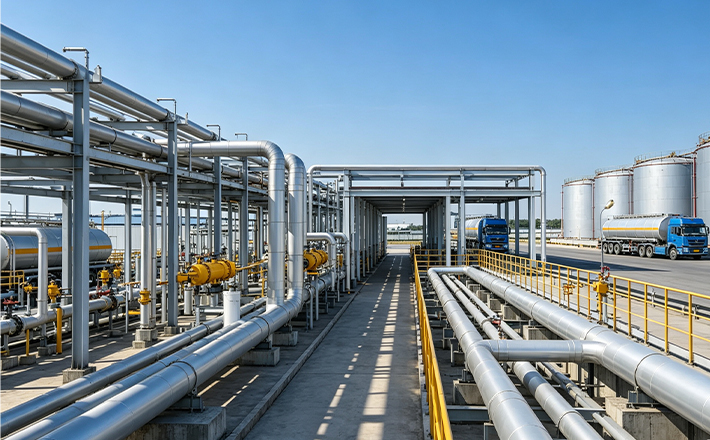
Hazardous Material Transportation
Chemical Park Transit
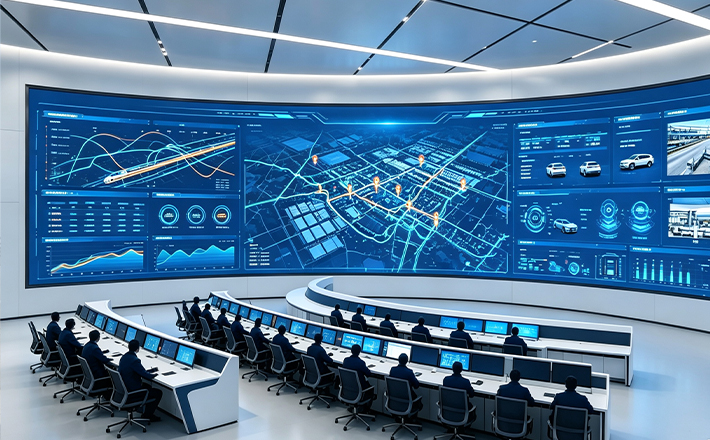
Government Supervision & Safety Rating Evaluation