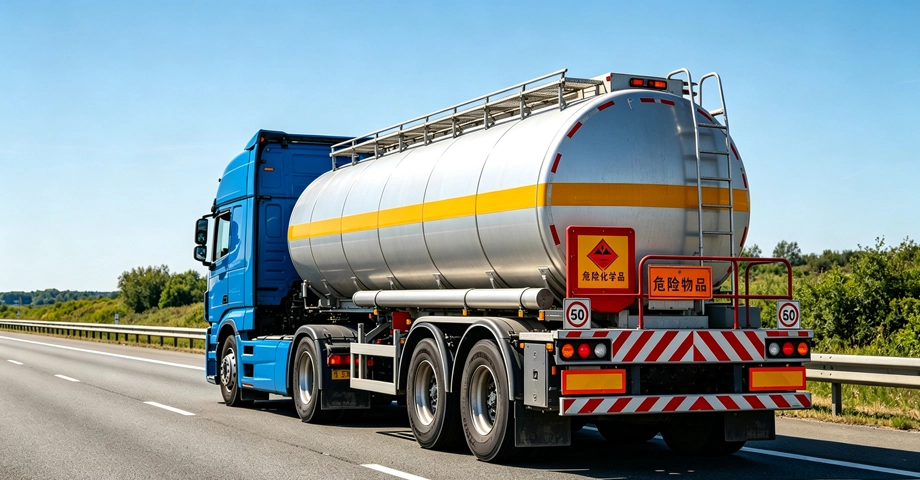
Hazardous Material Escort Robot









CAPMIND

Product Overview
CAPMIND is RACETEC's vertical industry large model for safety production, built on the RACEMIND general-purpose foundation model. "CAP" is a double entendre combining "Capability" and "Cap" (as in hard hat), representing "the intelligent brain that empowers smart hard hats." CAPMIND is primarily deployed on RACETEC's wearable intelligent terminals (smart hard hats), serving safety production scenarios in power grids, energy, mining, construction, and other industries.
CAPMIND is deeply optimized for industrial safety scenarios, with professional capabilities including industry knowledge graph fusion, edge-side lightweight inference, real-time video analysis, and multimodal safety detection. Trained on massive data from production sites, the model delivers core functions including safety risk identification, operation compliance monitoring, emergency response assistance, and intelligent inspection — serving as an "AI Safety Assistant" for frontline workers.
CAPMIND is deeply optimized for industrial safety scenarios, with professional capabilities including industry knowledge graph fusion, edge-side lightweight inference, real-time video analysis, and multimodal safety detection. Trained on massive data from production sites, the model delivers core functions including safety risk identification, operation compliance monitoring, emergency response assistance, and intelligent inspection — serving as an "AI Safety Assistant" for frontline workers.

Technical Architecture
CAPMIND OS follows a technical approach of "foundation model distillation + industry knowledge injection." Based on the RACEMIND foundation model, it uses Knowledge Distillation, Model Pruning, and Quantization to produce a lightweight industry model tailored for safety production scenarios.

1
Model Architecture
RACEMIND-distilled lightweight Transformer, with hundreds of millions of parameters, optimized for on-device deployment

2
Industry Knowledge Graph
Built-in safety knowledge graphs for power, mining, construction, and other industries; supports professional Q&A

3
Vision Detection Engine
Integrates visual AI capabilities including object detection (YOLO series), action recognition, and anomaly detection

4
Edge Inference Optimization
NPU/DSP hardware acceleration for real-time on-device inference (<100ms latency)

5
Offline Operation
Supports local model inference in network-free environments, ensuring usability for field operations

6
Safety-Specific Fine-Tuning:
Based on SFT (Supervised Fine-Tuning) in the safety production domain, accurately identifying safety regulations
1
Model Architecture
RACEMIND-distilled lightweight Transformer, with hundreds of millions of parameters, optimized for on-device deployment
2
Industry Knowledge Graph
Built-in safety knowledge graphs for power, mining, construction, and other industries; supports professional Q&A
3
Vision Detection Engine
Integrates visual AI capabilities including object detection (YOLO series), action recognition, and anomaly detection
4
Edge Inference Optimization
NPU/DSP hardware acceleration for real-time on-device inference (<100ms latency)
5
Offline Operation
Supports local model inference in network-free environments, ensuring usability for field operations
6
Safety-Specific Fine-Tuning:
Based on SFT (Supervised Fine-Tuning) in the safety production domain, accurately identifying safety regulations

Hard Hat Wearing Detection
Real-time detection of whether workers are wearing hard hats and safety equipment correctly
Hazardous Area Identification
Visually identifies hazardous boundaries such as high-voltage zones, deep pits, and robotic arm work areas
Operation Compliance Monitoring
Identifies unsafe practices such as working at height without a safety harness, unauthorized electrical use, etc.
Anomaly Event Alerting
Detects safety hazards such as smoke, fire, abnormal vibration, and unusual equipment sounds, with real-time alerts
Intelligent Voice Interaction
Supports voice queries for operation procedures, equipment parameters, emergency plans, and other knowledge
Offline Knowledge Q&A
Built-in industry safety knowledge base, providing safety knowledge queries even without network connectivity

Deployment Architecture Diagram
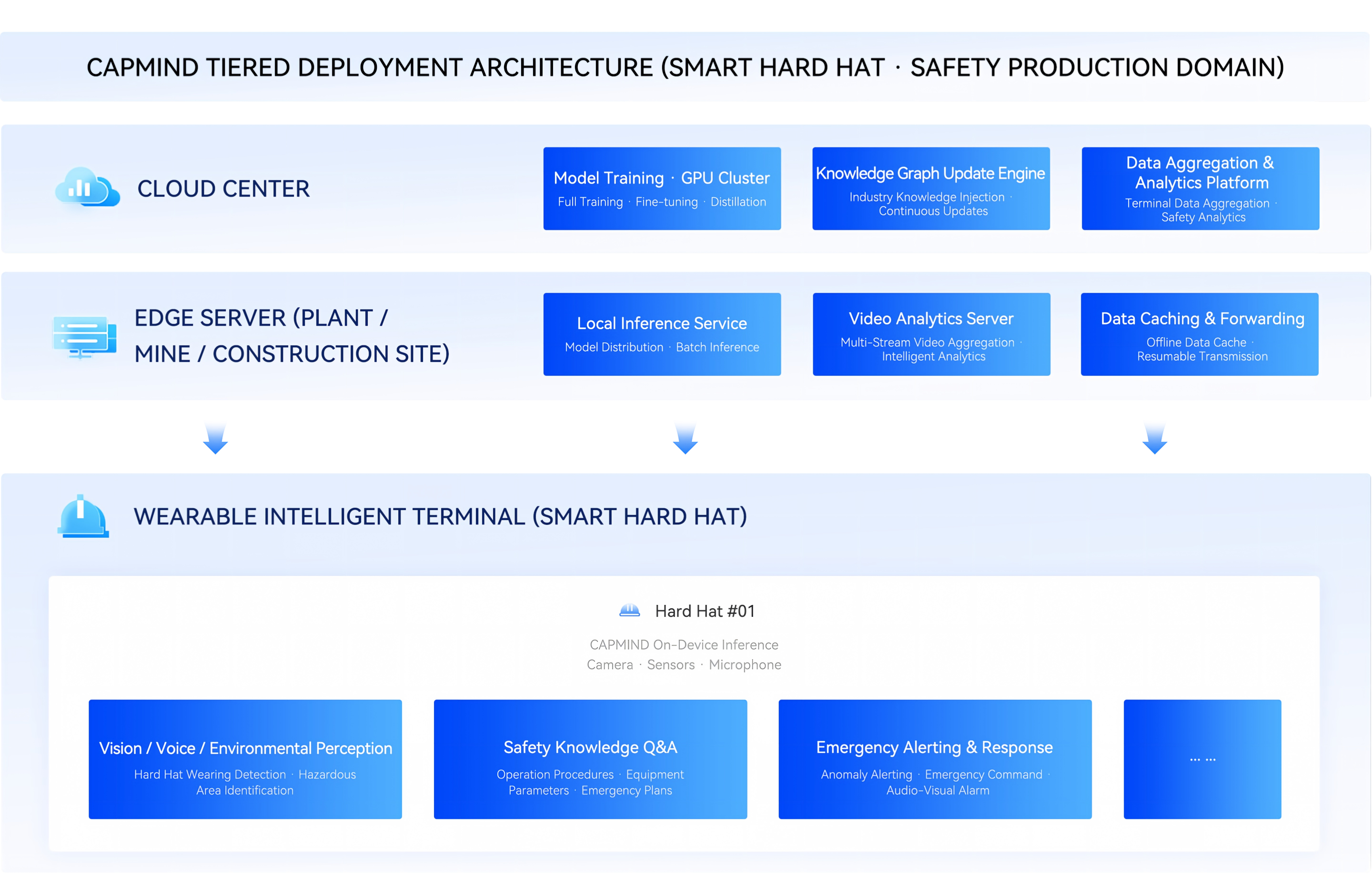

Hardware Enablement System
Data Collection

Operation Behavior Data
Operation Behavior Data
Data collected: frontline workers' standardized operations, emergency responses, and tool-use postures.
Embodied Intelligence Value: training robots to mimic human operational behaviors and learn safety protocols.

Multimodal Scenario Data
Multimodal Scenario Data
Data collected: HD video streams, depth images, environmental audio, and sensor data.
Embodied Intelligence Value: building multimodal understanding capabilities for complex industrial scenarios.

Voice Interaction Data
Voice Interaction Data
Data collected: operational commands, Q&A dialogues, emergency communications, and dialect accents.
Embodied Intelligence Value: enhancing the natural language understanding (NLU) and interaction capabilities of embodied intelligence.

Environmental Perception Data
Environmental Perception Data
Data collected: temperature & humidity, gas concentration, vibration, illumination, and spatial positioning.
Embodied Intelligence Value: enhancing the environmental adaptation and risk perception capabilities of embodied intelligence.

Annotation Feedback Data
Annotation Feedback Data
Data collected: violation recognition results, alarm responses, and manual correction annotations.
Embodied Intelligence Value: optimizing embodied intelligence decision-making through reinforcement learning from human feedback (RLHF).


Operation Behavior Data
Data collected: frontline workers' standardized operations, emergency responses, and tool-use postures.
Embodied Intelligence Value: training robots to mimic human operational behaviors and learn safety protocols.
Multimodal Scenario Data
Data collected: HD video streams, depth images, environmental audio, and sensor data.
Embodied Intelligence Value: building multimodal understanding capabilities for complex industrial scenarios.
Voice Interaction Data
Data collected: operational commands, Q&A dialogues, emergency communications, and dialect accents.
Embodied Intelligence Value: enhancing the natural language understanding (NLU) and interaction capabilities of embodied intelligence.
Environmental Perception Data
Data collected: temperature & humidity, gas concentration, vibration, illumination, and spatial positioning.
Embodied Intelligence Value: enhancing the environmental adaptation and risk perception capabilities of embodied intelligence.
Annotation Feedback Data
Data collected: violation recognition results, alarm responses, and manual correction annotations.
Embodied Intelligence Value: optimizing embodied intelligence decision-making through reinforcement learning from human feedback (RLHF).
Application Scenarios
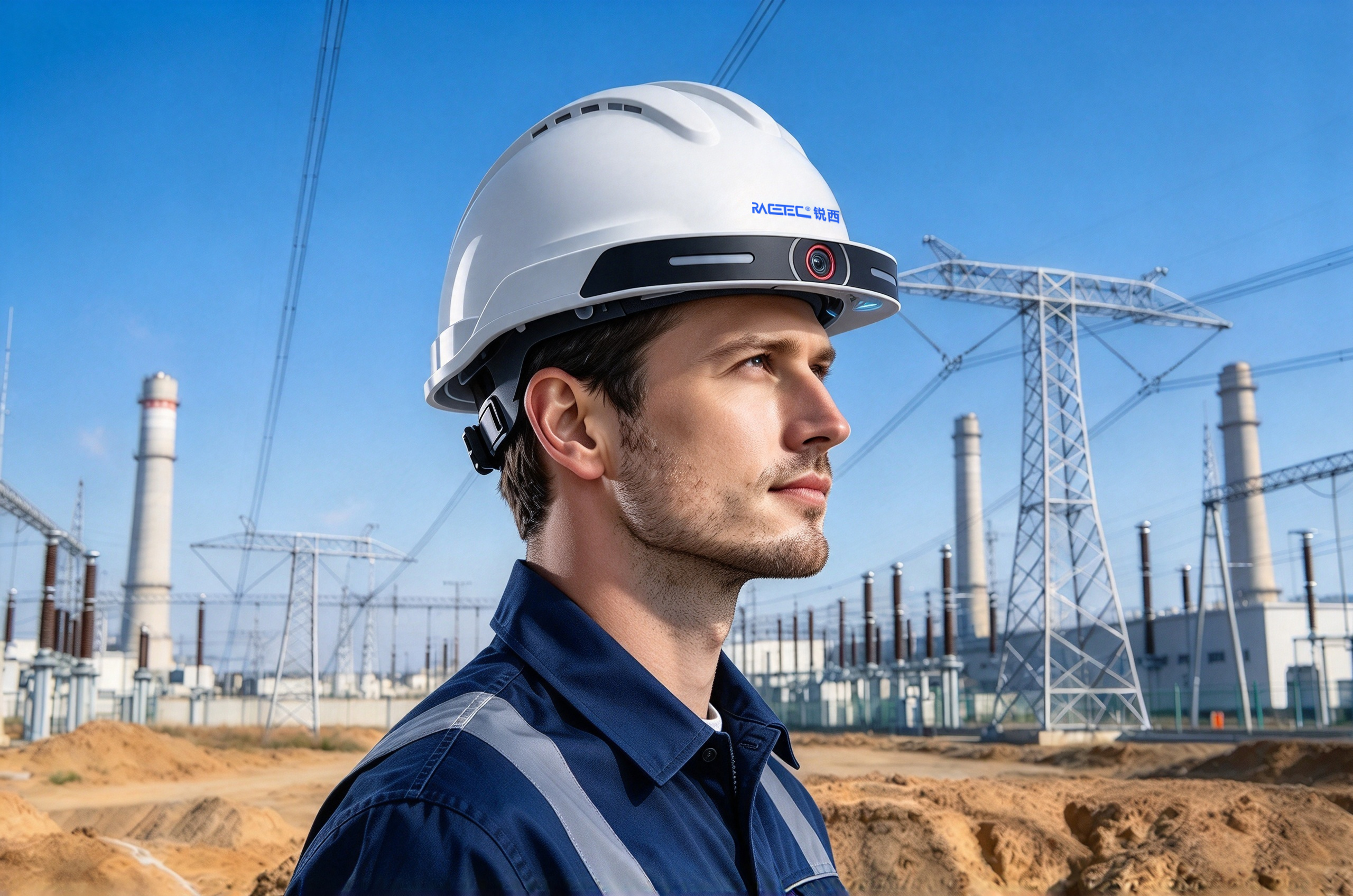
Power Grid Inspection
Smart hard hats assist inspectors in identifying equipment anomalies, reading instrument data, and recording inspection results
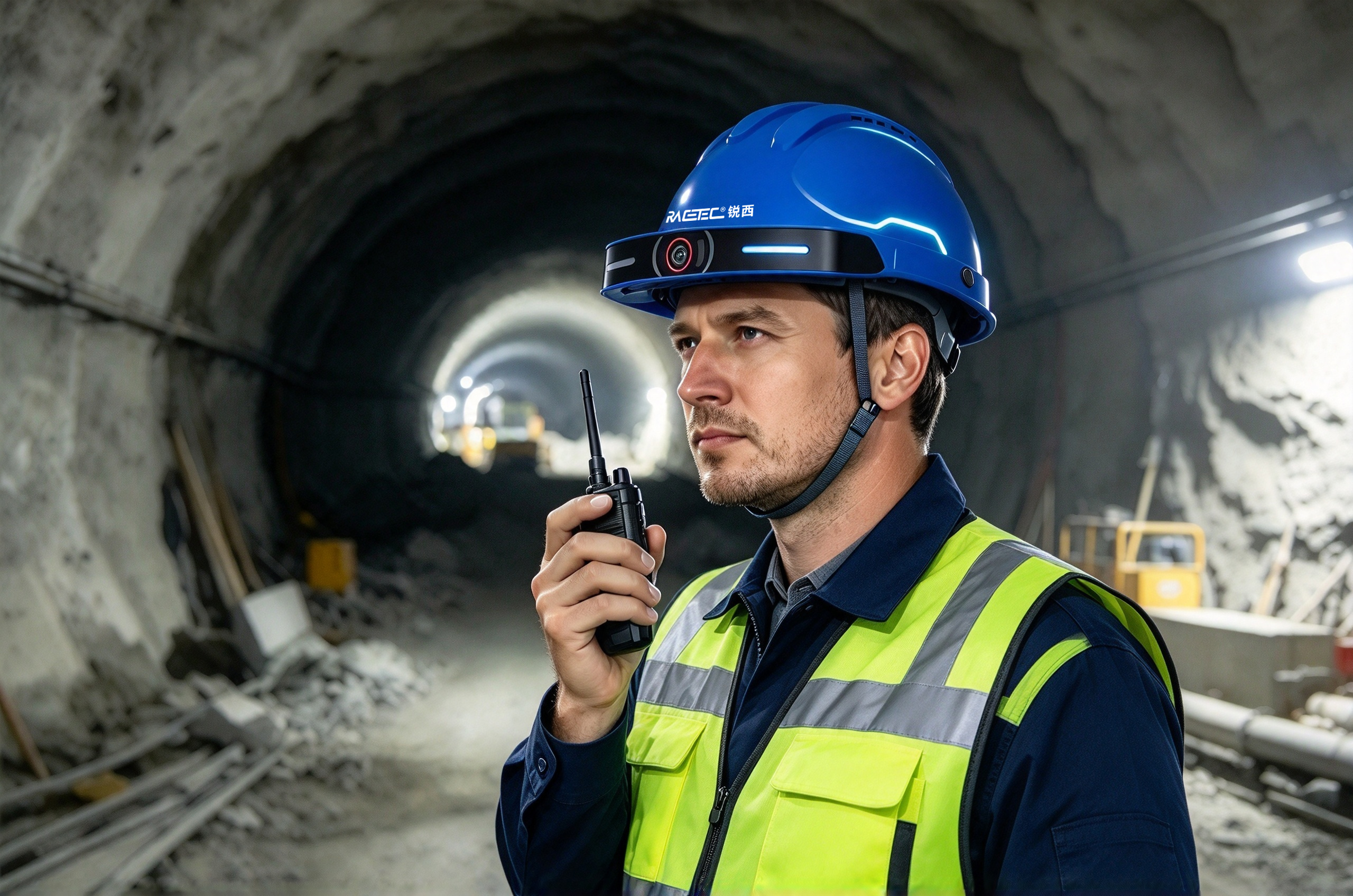
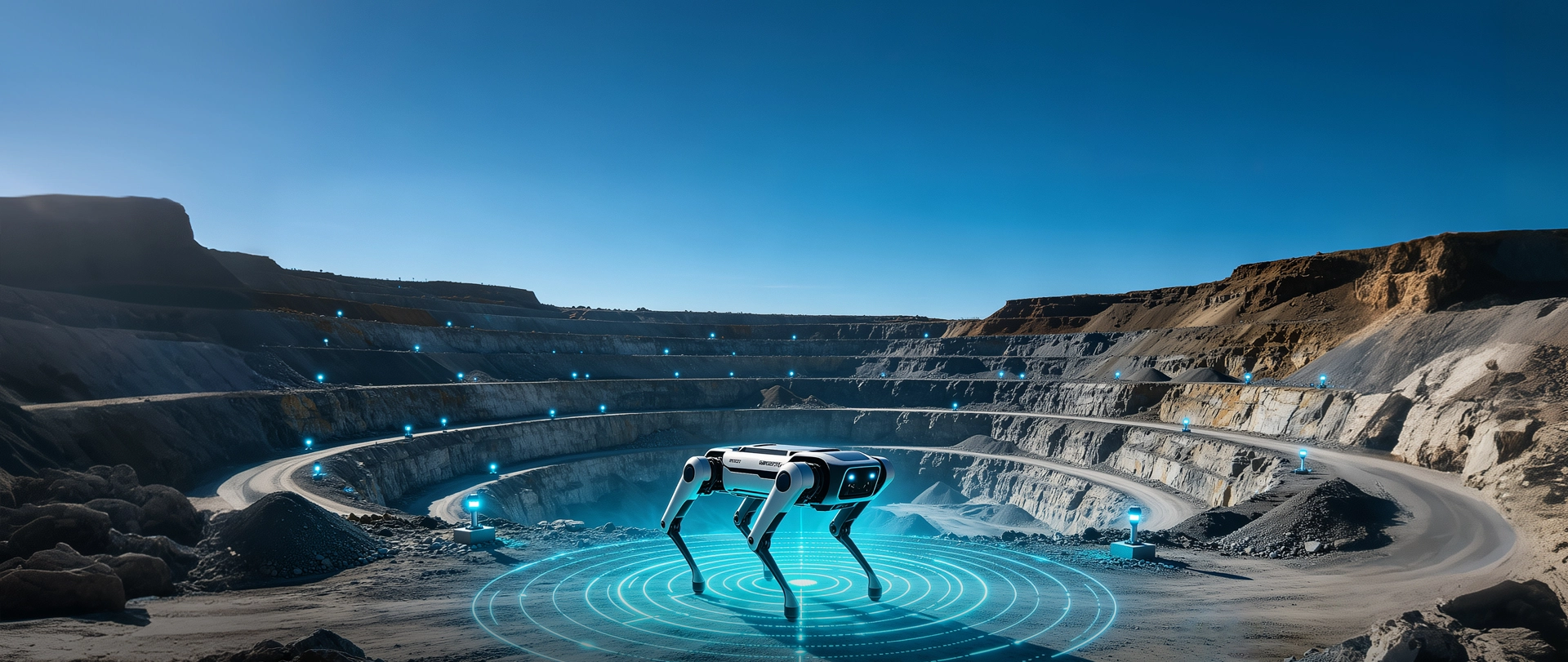
Mine Safety
Real-time monitoring of miner work status, identification of hazardous areas, and early warning of safety hazards such as gas and smoke
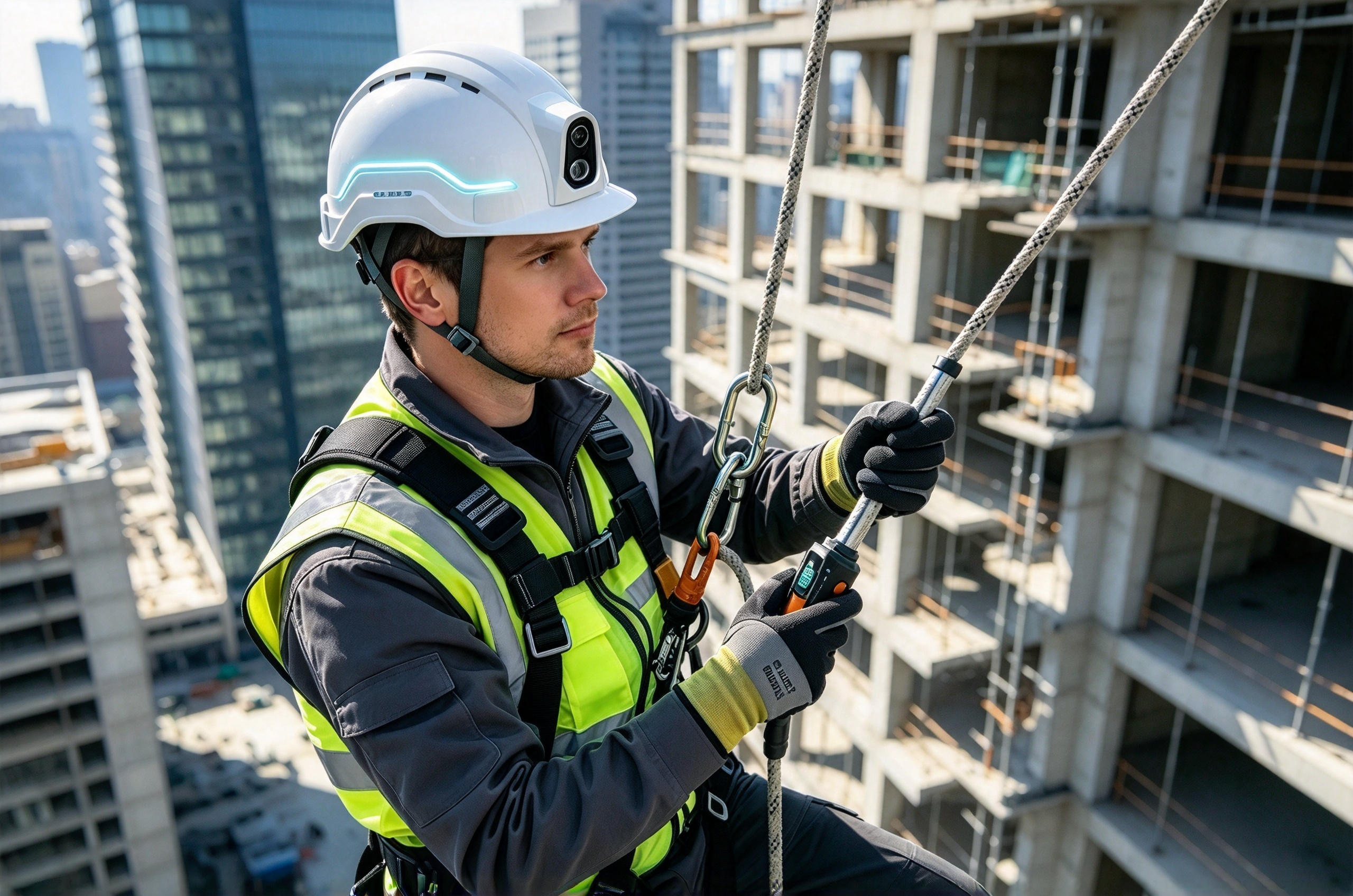
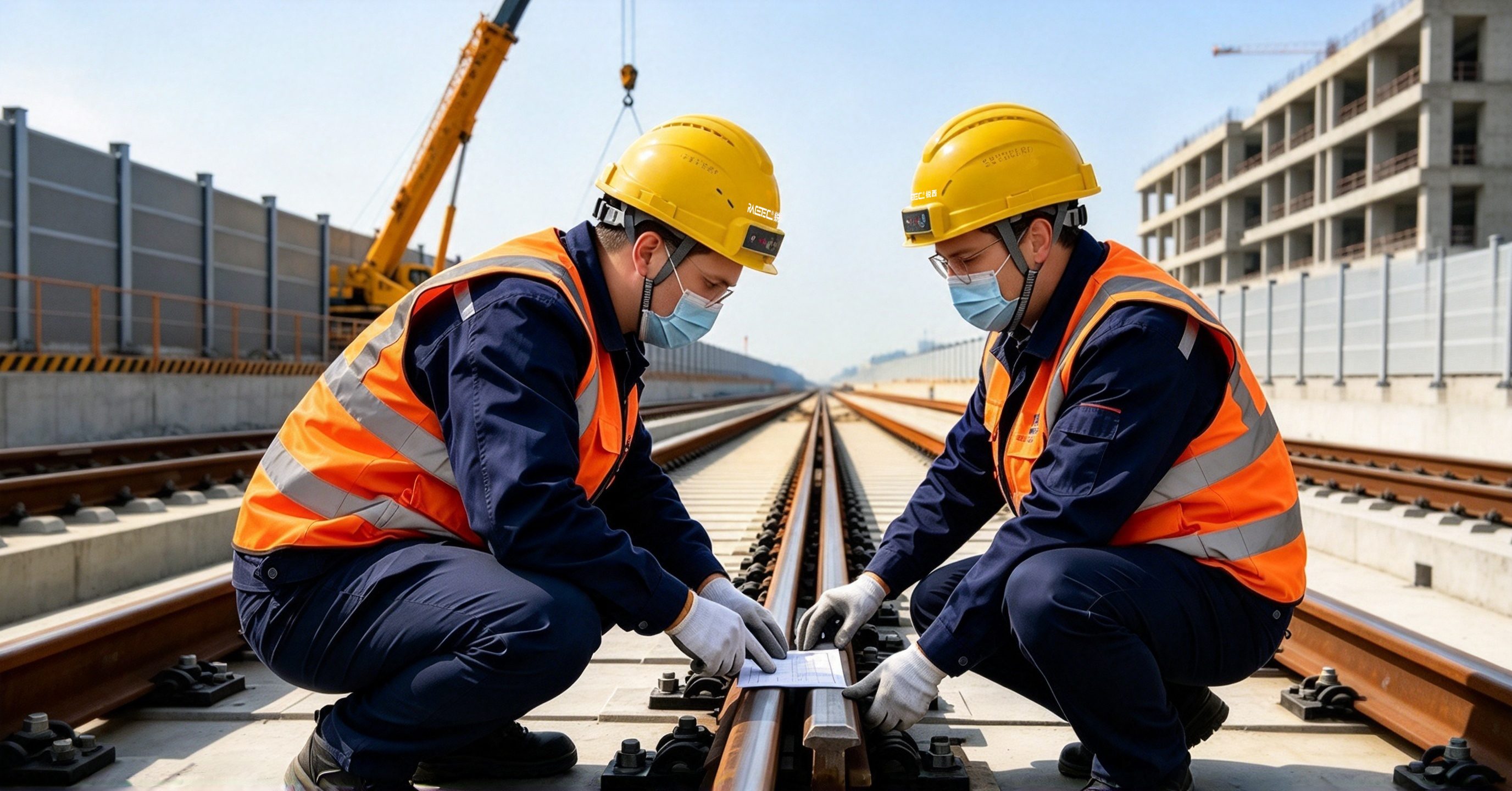
Construction Site
Detection of safety equipment compliance, monitoring of working-at-height safety, and identification of unsafe operations
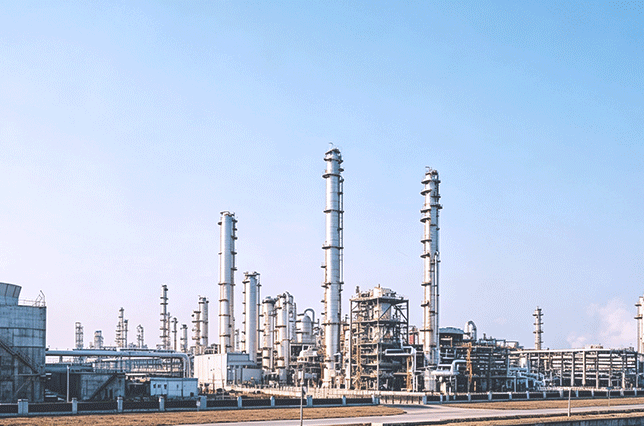
Energy Facility
Identification of safety hazards such as pipeline leaks, equipment overheating, and abnormal vibration, with emergency decision support