Hazardous Material Escort Robot












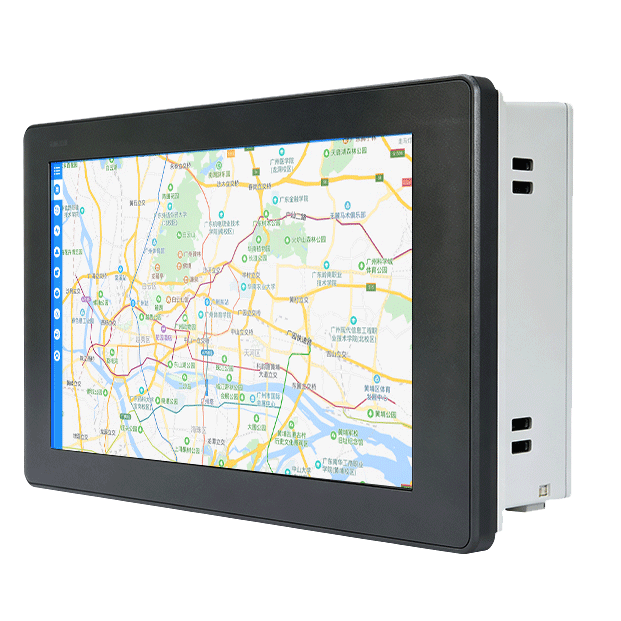
Hazardous Material Escort Robot
High-Precision Positioning · HD Monitoring · Active Alarm · Long Battery Life · Expandable Modules
Product Positioning
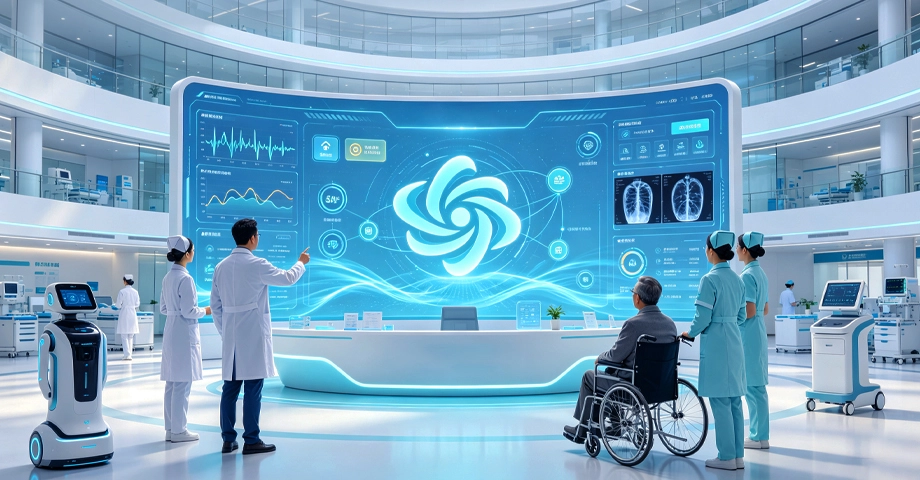
The Hazardous Material Escort Robot is an AI-powered intelligent vehicle terminal built on the OpenHarmony open-source operating system. Through visual perception, driver behavior analysis, and vehicle data acquisition, it provides real-time monitoring and risk early warning across "people, vehicles, cargo, and environment" throughout the transportation process. With a self-controlled technology foundation, it builds a new generation of intelligent safety supervision line of defense.

Core Capabilities
Every hazardous material shipment, protected by intelligence and trust
Enterprise Safety Manager
01
Core Needs: Fulfill safety responsibilities / Reduce accident rates
Solution Value: Transportation process visualization, alerting, and traceability; safety management shifts from "human-driven vehicle management" to "data-driven vehicle management," with responsibility fulfillment backed by evidence.

Fleet Operations Manager
02
Core Needs: Cost reduction & efficiency improvement / Compliance management
Solution Value: The terminal collects real-time data on vehicle location, driving status, and driver behavior, helping fleets optimize dispatch and route management, reducing vehicle violation rates at the source. The high labor cost of human escorts can be gradually alleviated through electronic escorting.

Government Regulatory Authority
03
Core Needs: Full-process supervision / Cross-department coordinated enforcement
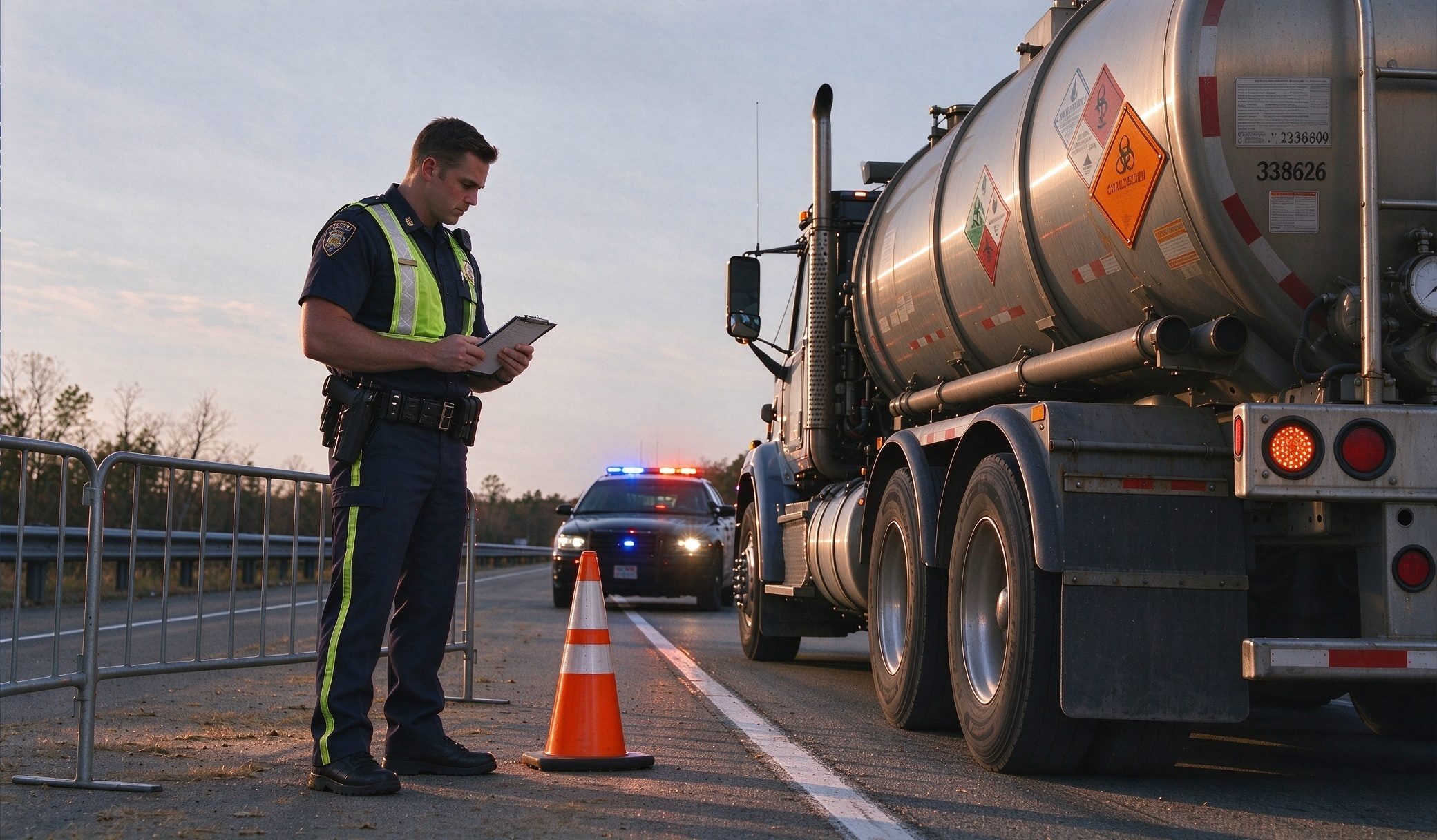
Solution Value: Meets policy requirements for full-process control of hazardous material transportation; terminal data can be integrated with traffic management platforms, supporting dynamic supervision scenarios such as route deviation alerts and restricted-zone entry warnings, assisting enforcement agencies in off-site evidence collection (i.e., remotely gathering violation evidence through technical means).

Technical Decision-Maker
04
Core Needs: Self-controlled / Avoid vendor lock-in
Solution Value: Built on the OpenHarmony ecosystem, the operating system is customizable and evolvable at the OS level, free from single-vendor lock-in. Meets Xinchuang (IT application innovation) industry guidelines and domestic substitution requirements.

Hardware-software integration redefines on-device intelligent edge computing power

OpenHarmony Native Foundation (Ubiquitous Connectivity & Self-Controllable)
Unified Device Framework: Rapid onboarding of vehicle sensors, cameras, CAN bus, and other devices with short adaptation cycles.
Distributed Soft Bus: Enables low-latency, highly reliable data collaboration between the terminal and upper-layer business platforms (law enforcement systems, emergency response platforms, etc.).
Built-in Security System: Security capabilities are embedded in the OS kernel, protecting everything from system boot to data communication, compliant with MLPS 2.0 requirements.

AI Agent-Driven (Proactive Alerts & Intelligent Decision-Making)
The terminal features a built-in AI edge computing chip that processes all analysis locally — no real-time cloud upload required. It covers a wide range of scenarios:
Driver Behavior Analysis: Real-time monitoring of fatigue, distraction, and unsafe operations, with millisecond-level alert response.
Intelligent Environmental Perception: Multimodal AI vision fusion for real-time monitoring of cargo status, temperature/humidity, and leak risks.
Risk Prediction Model: Big data predicts road section hazards and equipment failures; monitoring strategies adapt based on hazardous material type (e.g., highly toxic, explosive).
Driver Behavior Recognition: In-cabin cameras identify violations in real time such as drowsy driving, distracted operation, phone use, and unfastened seatbelts, triggering local voice alerts and synchronizing to the platform.
Intelligent Environmental Perception: Multiple cameras paired with temperature/humidity sensors and gas sensors monitor cargo compartment environment in real time; instant alerts when temperature/humidity anomalies or suspected leaks are detected.
Vehicle Status Monitoring: Collects vehicle operational data via OBD-II and CAN bus; real-time alerts for speeding, route deviation, abnormal parking, and other conditions.

Industrial-Grade Engineering for Extreme Environments
Supports non-destructive upgrade of existing vehicles; provides ODM/OEM services from core board design to mass production.
Extreme Durability: Industrial-grade wide temperature design (-40°C to 85°C), with extreme vibration and dust resistance.
Multi-Mode Communication: Built-in Beidou high-precision positioning; seamless switching between 4G and 5G dual-mode communication.
High Performance Computing: Dedicated high-performance AI edge computing chip, supporting concurrent encoding and decoding of multiple HD video streams.
Comprehensive Interfaces: Standard automotive-grade interfaces including OBD-II, CAN, and RS485; seamlessly compatible with OpenHarmony transformation of older vehicles.
Product Spec Summary
Component
Main Control Unit
Sensing Unit
Positioning Unit
Communication Unit
Vehicle Interfaces
Specification
OpenHarmony OS + AI Edge Computing Box
Multiple cameras (cabin, cargo compartment, road surface), gas sensors, temperature/humidity sensors
Beidou high-precision (centimeter-level) + RTK
4G/5G dual-mode + VPDN private network
OBD-II, CAN, RS485, 12V/24V power supply
Typical Scenarios
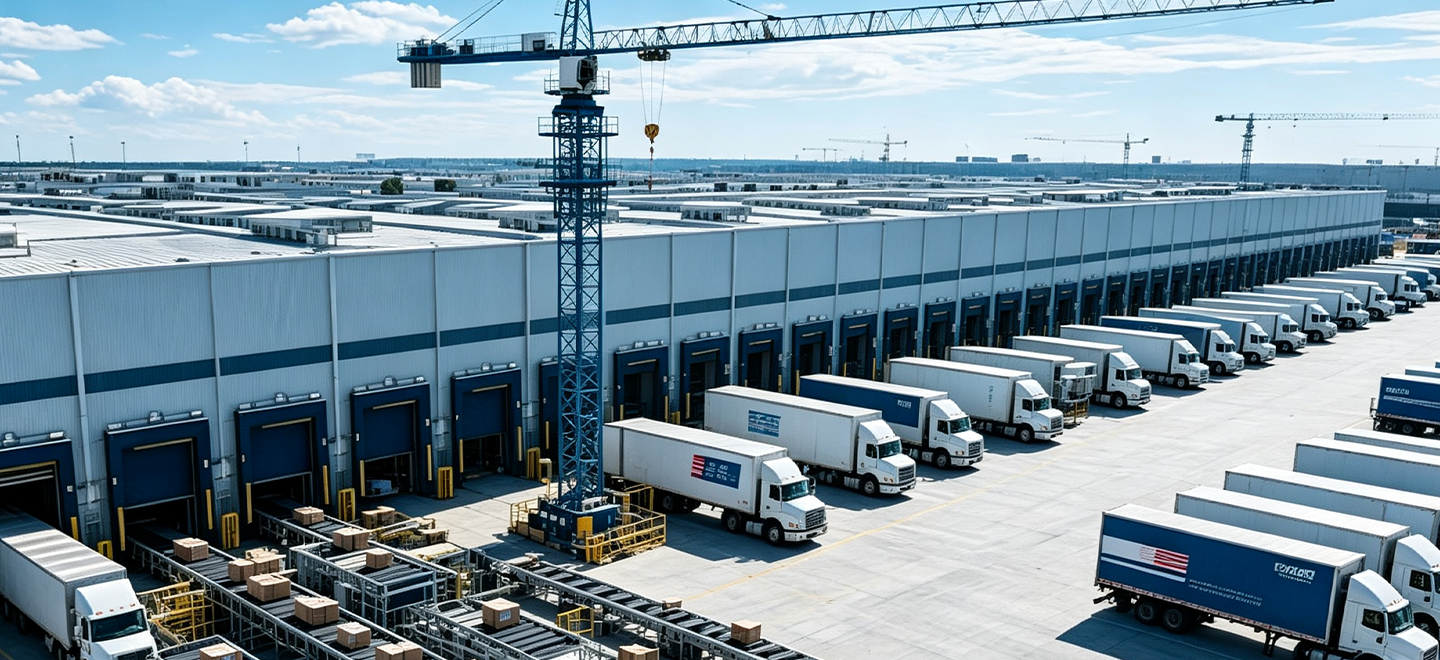
Smart Industry
Challenges: Complex plant handover processes, low manual verification efficiency, easily missing records
Solution: The terminal collects and records handover time, location, and people/vehicle/cargo information; data can be integrated with existing enterprise management systems for assisted verification
Value: Verifiable handover records, reducing gaps and disputes in manual verification, achieving fully digitalized cargo handover

Smart City
Challenges: Interleaved city restricted zones, hard to detect vehicles entering restricted areas in real time
Solution: The terminal compares real-time location against restricted zones; local alerts trigger and synchronize to the platform upon route deviation or restricted-zone entry
Value: Supports remote evidence collection for violations (off-site enforcement), helping enterprises avoid penalties and enabling city-wide "single-screen unified management"

Long-Haul Transport
Challenges: Long distances, multiple risk points, difficult to achieve coordinated response to sudden accidents in real time
Solution: Leveraging 5G + VPDN private network for full-process HD audio/video and vehicle data upload; AI captures anomalies and triggers one-click instant reporting
Value: Breaking down business silos across enterprises, traffic police, fire, and emergency response departments, building a cross-region rapid emergency response network
Open & Win Win: Join Us in Building the OpenHarmony Vertical Ecosystem
RACETEC provides not only products, but also full-stack business-grade service assurance (hardware customization, system deployment, integration development, O&M training).

Target Users

System Integrators

Hazardous Material Transport Enterprises
Regulatory Authorities
Partner & Clients







Get in Touch with Our
Solution Expert
Contact Us

Request
Product Technical Manual
Download Now